Thursday, 31 May 2018

Market News: Jenna Rae Cakes opens their doors


The day has finally come! Well almost, it's tomorrow. Tomorrow, Jenna Rae Cakes opens up their doors in The Forks Market for the first time!

They've got some exclusive goodies for you, some prizes to be won, and a photo booth for you to snap some pics. Come by during they're opening weekend (June 1-3) from 10am to 8pm.


EXCLUSIVE GOODIES


Cookie dough, people... cookie dough! They've got four types of edible cookie dough available exclusively at The Forks location. We can't wait to try every single flavour:
  • Vanilla Sprinkle Sugar Cookie 🎂
  • Classic Chocolate Chip 🍪
  • Toffee Salted Caramel Sugar Cookie 👌🏼
  • Peanut Butter Cookie 🥜


Also exclusive to The Forks location are these dreamy little mouse cups in four flavours:
  • Cotton Candy 🍬
  • Chocolate Lovers 🍫
  • Strawberry Shortcake 🍓
  • Cookies and Cream 🍪


MORE THAN JUST DESSERTS

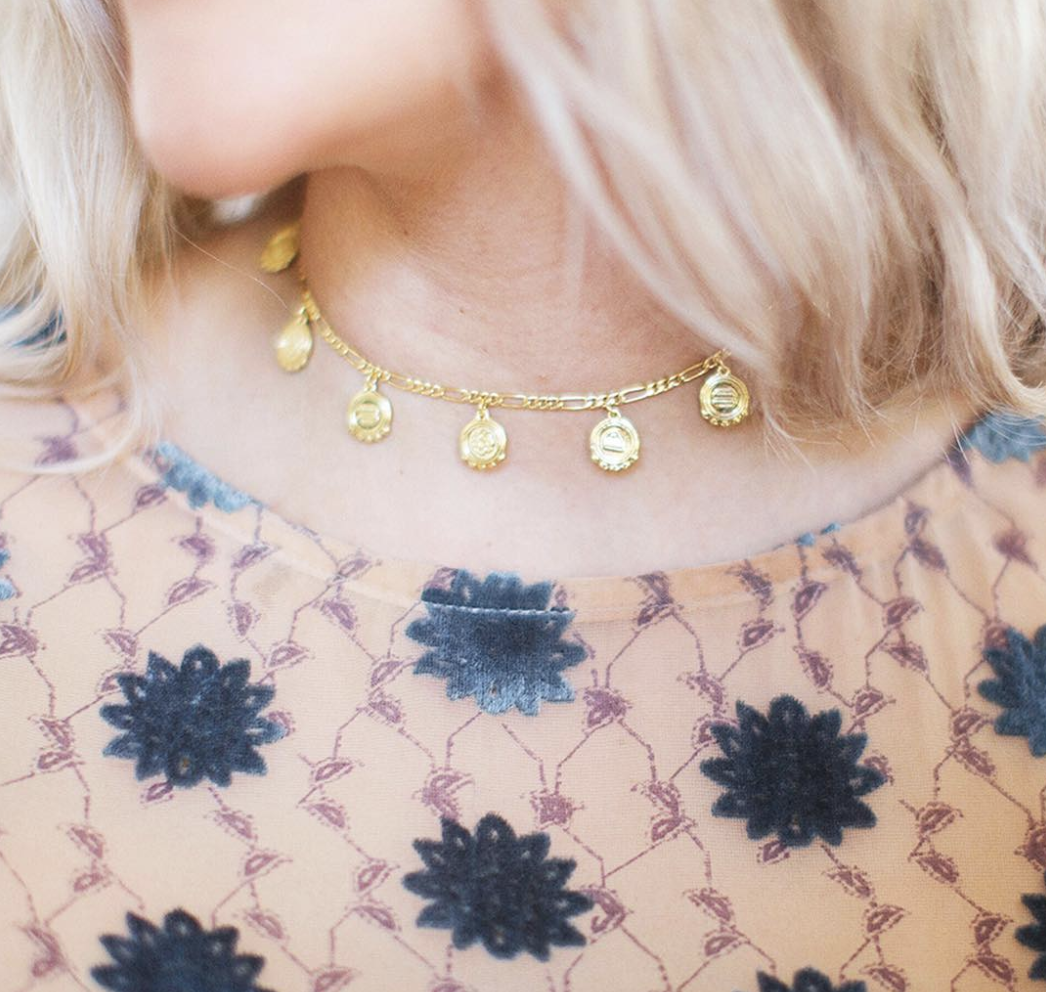
Along with their edible treats, they are selling specialty Jenna Rae Cakes gift items they created with local favourites – a Coal & Canary candle, a Pepo ceramic mugs, and a Sugar Blossom necklace.


CLASSICS AT THE FORKS

Every day you can expect to find twelve flavours of their legendary macrons, four flavours of cookie sandwiches, and their exclusive items.


MORE ABOUT JENNA RAE CAKES

They opened their boutique bakery on Academy Road four years ago and quickly won the hearts of Winnipeg's dessert lovers. They have a heavy focus on family – Jenna's husband is their general manager, and their retired father is a full-time employee! Jenna is a self-taught cake designer and together with her graphic designer sister, Ashley, they have created something really special that both tastes and looks good. They are equally as excited as we are to join our list of vendors at The Forks!

See you tomorrow!

---

Other posts that might interest you:

Wednesday, 30 May 2018

UnCommon Pours: The magic of Véronique Rivest


Our sommelier for The Common, Véronique Rivest, is coming back to unveil our new wine list at the next UnCommon Pours event. This time, she's joining guests in the South Aisle of The Market to chat about wine while you sip + snack on favourites from the Food Hall.

Aside from being incredibly knowledgable about wine and beer, Véronique is warm, friendly, and passionate about giving great customer service—and being able learn from her has been an amazing experience for all of The Common staff. They learned a lot during training, and we've summed up a few fun tips and tricks from the wine master herself for all you wine lovers out there.

Cheers!


ON THE MENU

When creating and curating our wine list at The Common, Véronique dedicated her focus to terrior wines, which she describes as “wines that taste like where they’re from.” This means a flavourful end product that is the culmination of factors like elevation, weather, soil and tradition. These are not wines that have been altered to taste the exact same year after year, and bottle after bottle.

Véronique also sourced wines that are well-made, sustainably and organically-farmed, with minimal intervention and made with integrity. The list also features a diverse selection of countries, styles, varieties and price points. In her words, “You’re careful of what you eat, why shouldn’t you be careful of the wine you drink?”


ON THE BOTTLE

At The Common we serve our wines by the glass, but Véronique shares some valuable vino advice when selecting a bottle. To summarize:

  • A corked bottle doesn’t necessarily mean a better bottle of wine. Véronique’s preferences are screw caps and real corks (followed lastly by synthetic corks). 
  • The weight of a bottle has no relation to the quality of the wine. Heavy bottles are “passe” and bad for the environment (as they cost more for transportation and cause higher gas consumption). “I’d rather the producer put their money in the wine than the packaging,” says Véronique.
  • Labels need not be fancy or over-designed, but they should be informative. If a label says the wine has been ‘aged in barrels’, it’s useful to know which kind.

ON TASTING NOTES

When tasting wine, Véronique says you must draw from what you know. If the label describes lychee, but you’ve never had lychee before, you’re not wrong when you instead say it reminds you of your grandmother’s perfume. We can draw from our own smells, flavours and tastes to experience wine. For example, the petrol aroma that is present in some rieslings might remind one person of the smell of the boat’s motor when fishing with grandad.

When talking the talk, Véronique reminds us that a wine described as “fruity” does not necessarily mean sweet. Wine can be very fruity, yet dry. A common way to describe minerality is the smell of wet rocks after rain.

We love Véronique's totally unpretentious approach to wine. “Wine likes wine,” she says – explaining that at her wine bar, SOIF, in Gatineau, you don’t change your glass between orders. The rigid, seemingly trivial and outdated rules of wine tasting have no place in V’s world.


ON FOOD

Market Eats: Fries of The Forks Market“I have one rule about pairing wine with food: eat what you like and drink what you like, and you’ll be happy.”

This is perhaps the single rule Véronique most lives her life by (she notes that her husband prefers a tannic red with his seafood and chicken, a combination most would tell you is wrong). She also explains how certain foods can react with wine – if you’re pairing a steak with a tannic red, a well-done steak will harden the tannins, while a steak cooked rare will make those same tannins melt “like velvet.”

Ending on a sweet note, Véronique speaks on the golden rule of dessert: the wine should be at least as sweet as the dessert you are enjoying it with.

---

Get your tickets to UnCommon Pours V02 while they're still available.

---

Other posts that might interest you:

Wednesday, 23 May 2018

Forks-ology: What's under the land and what does it tell us?

We've brought in the pros to look at what's under The Forks site in preparation for the Railside development - it's always super interesting to learn about our history! We chatted with archeologist, Ashley Daciuk of InterGroup Consultants Ltd, about what they found, how they found it, and a bunch more.

We should note that because the area is a known meeting place for something like 6,000 years of history, The Forks is under archaeological license by the government of Manitoba, meaning before any developments – from building buildings to installing sculptures – begin on our property, we go through an archaeological process.

We started the dig with a blessing from Elder Nepinak and continue to work with the Indigenous community throughout the project.

They've already cleaned and catalogued pretty sweet items.

This is an old bottle from Drewrys Brewery.

The brewery started in Winnipeg in 1877, two years after E. L. Drewry paddled his way up from Minnesota.

They brewed beer in the area until they were hit with a truly unfortunate series of events. The general manager and his son were murdered in a burglary in 1915, the prohibition made their business illegal seven years later, and three years after that, the company went bankrupt.

Anyone else impressed that they could still have three years of business after the start of the prohibition?

This piece of pottery is from somewhere between 1,000 - 2000 years ago, the Laurel Period.

This technique of pottery making was developed by the Indigenous people from the Eastern United States who traveled as far as Southern Indian Lake and as far west as Sturgeon Weir River, Saskatchewan – clearly stopping at The Forks somewhere along the way.

They've found more items that they have yet to clean, analyze and catalogue.

Here's what Ashley had to say about the dig...

What were you doing?
We were looking for the presence of cultural material and artifacts (also known as heritage resources), such as pottery, lithic (stone) artifacts, and fur trade goods that are evidence of the daily life of past inhabitants of The Forks who we know include Indigenous peoples, fur traders, and immigrants. To look for cultural material and artifacts, we used a backhoe to dig trenches where the Railside plans denote building new buildings. We look through the dirt from the trenches and the trench walls for the presence of cultural material and artifacts.

Why were you looking for cultural material and artifacts here?
The Forks has a rich cultural history spanning thousands of years and is considered an important archaeological site. It has been an important gathering place, used during Pre-European Contact and historic periods.

Any development or activity, construction of new buildings, or anything that may alter or disturb cultural material and artifacts are subject to a Heritage Resource Impact Assessment (HRIA) dictated by the Historic Resources Branch (HRB) of Manitoba Culture, Heritage and Tourism, a branch of government dedicated to supporting Manitobans in identifying and preserving their heritage. The purpose of an HRIA is to determine whether heritage resources in the area will be negatively impacted, such as through the destruction of features and artifacts in the area, by the development.

What else did you expect to find going into the dig?
Various cultural groups have gathered and lived in the area that is now The Forks. Since there's a long history of people residing in or passing through the area, we usually expect to find some cultural material and artifacts, like we did with things like the pottery and the bottle. There is often a chance of finding fur trade goods (pipe stems, beads, ceramics, etc.), projectile points (arrow heads), and more pieces of ceramic pottery.

Did you find those items?
We've found a bunch of things, so stay tuned for updates once we analyze everything.

What do you do with unusual finds?
We will document and unusual finds, analyze them, and discussed them with the HRB to determine their how meaningful they are to us.

What happens to artifacts you find?
Artifacts that are found are taken to a laboratory for further assessment and then turned over to the HRB for care and treatment.


Stay tuned for updates on what cool things Ashley and her team have found and what they can tell us about the history of The Forks!

---

Our investigation was conducted under heritage permit A10-18.

More information:
Managing our Heritage Resources – Impact Assessment
Information for Professional Archaeological Consultants

---

Other posts that might interest you: